
THE 4 Ps OF
MARKETING
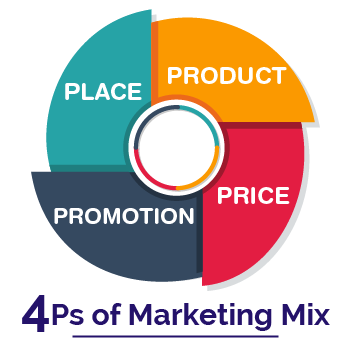
THE 4 Ps OF MARKETING
Product, Price, Place, and Promotion In today’s competitive marketplace, understanding the 4 PS of marketing—Product, Price, Place, and Promotion—is essential for any marketer or business owner. These four elements form the foundation of an effective marketing strategy, helping brands connect with customers, drive sales, and sustain long-term growth. What Are the 4 Ps of Marketing? The 4 Ps, also known as the marketing mix, were first popularized by E. Jerome McCarthy in the 1960s. They represent the core areas a business can control to influence consumer purchasing decisions. Let us break each one down.
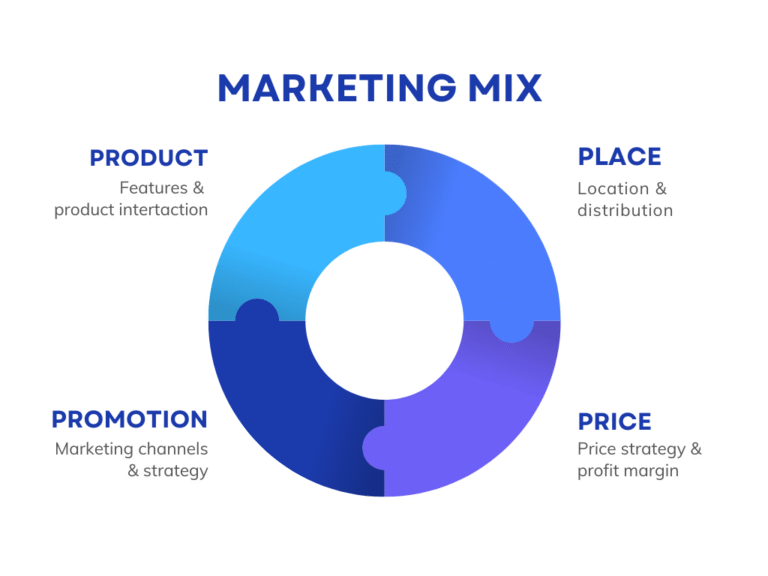
Product
What you’re offering: Your product sits at the center of your marketing strategy. It’s what your brand delivers to meet a customer’s need or desire. It can be a physical item, a digital service, or an experience.
Key questions to ask:
- What problem does your product solve?
- What sets it apart from competitors?
- How do design, packaging, or ease of use make it more appealing?
Example: Take Apple’s iPhone. It isn’t just a phone—it combines sleek design, advanced technology, and social cachet. Apple succeeds by turning a practical device into a lifestyle choice.
Place
“Place” refers to where and how you make your product available to customers. It shapes both convenience and the buying experience. Common distribution channels include online stores and e-commerce platforms, physical retail locations, and third-party resellers or marketplaces. In digital marketing, “place” might be your website, an Amazon storefront, or an Instagram Shop. The easier it is for customers to find and buy your product, the more likely they are to purchase.
Promotion
How You Communicate
Promotion is how you share your product with the world. It includes every way you inform, persuade, and remind people about your brand. Common channels include social media, search engine optimization (SEO), email marketing, paid ads (PPC, display, and influencer partnerships), public relations, and content marketing.
Your promotion strategy should match how your target audience finds and evaluates products. For example, B2B brands often perform best on LinkedIn and through email outreach, while B2C brands typically gain traction on Instagram, YouTube, and TikTok.
Price
Your price defines what customers pay for your product or service. It’s more than a number—it signals your position in the market and shapes how people perceive quality and value.
Common pricing strategies include:
- Penetration pricing: Set a low price to quickly gain traction in a competitive market.
- Price skimming: Start with a high price to maximize revenue from early adopters.
- Value-based pricing: Set prices based on the value customers believe they’re getting.
Example: Starbucks doesn’t try to be the cheapest option. It charges a premium for the overall experience—comfort, consistency, and brand reputation.